




Airbrushing with Recycled Paint: Is It Possible?

Airbrushing is a popular technique among artists, muralists, and hobbyists who want smooth gradients, crisp lines, and professional-quality finishes. If you are interested in using recycled paint for airbrushing, you may wonder if it is possible and how to get the best results. The good news is that recycled acrylic paint can absolutely be used in airbrush applications, with just a few adjustments and tips.
Understanding Airbrush Compatibility
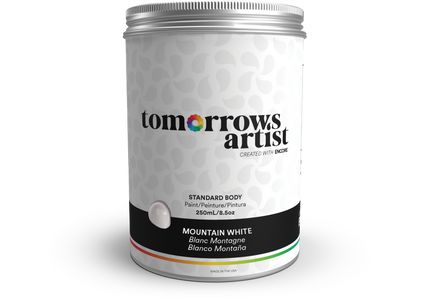
Most airbrushes are designed to work with fluid acrylics and specially formulated airbrush paints. Recycled acrylic paint, like the kind offered by Tomorrow’s Artist, is typically thicker than standard airbrush paint. This means a little preparation is needed to achieve the right consistency for smooth spraying.
How to Prepare Recycled Paint for Airbrushing
-
Strain the Paint: Before loading your airbrush, strain your recycled paint through a fine mesh or nylon filter. This removes any particles or debris that could clog the nozzle.
-
Thin the Paint: Use filtered water or a professional acrylic airbrush medium to thin the paint. Start by adding small amounts and mixing thoroughly. The ideal consistency is similar to skim milk—fluid enough to pass through the airbrush, but not so thin that it loses color intensity.
-
Test and Adjust: Always test your thinned paint on a scrap surface. If you notice sputtering, clogging, or uneven spray, continue thinning in small increments until the flow is smooth.
Tips for Successful Airbrushing
-
Use a higher air pressure setting if your paint is still slightly thicker than commercial airbrush paints.
-
Clean your airbrush thoroughly after each use to prevent dried paint from causing blockages.
-
Work in thin layers, allowing each coat to dry before applying the next. This helps build up color and detail without running or pooling.
-
For best results, use airbrushes with larger nozzle sizes, especially when working with custom-mixed or recycled acrylics.
Creative Applications
Airbrushing with recycled paint opens up a world of creative possibilities. You can use this technique for murals, backgrounds, gradients, and even fine art pieces. The unique blends and one-of-a-kind colors found in recycled paint can give your airbrushed work a signature look that stands out from the crowd.
Sustainability Meets Innovation
By choosing recycled paint for airbrushing, you are combining innovative artistry with environmental responsibility. Every spray of color is a step toward reducing waste and promoting a more sustainable art practice.
Troubleshooting Common Issues
-
Clogging: If your airbrush clogs, stop and clean the nozzle. Straining your paint and using the correct consistency helps prevent this problem.
-
Loss of Color: If the paint is too thin and color appears weak, add a bit more paint or use a flow improver medium instead of water.
-
Splattering: This can happen if the paint is too thick or the air pressure is too low. Adjust both until you achieve a smooth, even spray.
Curious about trying airbrushing with recycled paint?
Explore our recycled paint collections and experiment with sustainable color in your next airbrush project.