
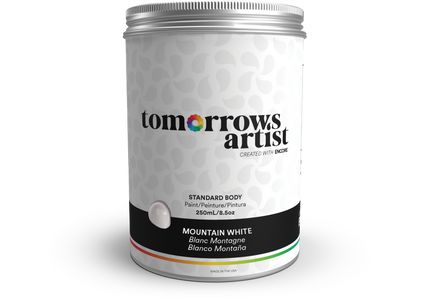




Tips for Thinning Recycled Paint for Different Techniques

One of the joys of working with acrylic paint is its versatility. Whether you want thick, textured brushstrokes or smooth, watercolor-like washes, acrylics can do it all. Recycled acrylic paint from Tomorrow’s Artist is no exception. With a few simple techniques, you can adjust the consistency of your paint to suit any creative vision.
Why Thin Your Paint?
Thinning paint allows you to explore a whole new range of effects. You can create soft backgrounds, subtle glazes, or delicate line work. Thinner paint is also perfect for layering, blending, and achieving a sense of depth in your artwork. Whether you are working on canvas, paper, wood, or even a mural, knowing how to thin your paint opens up endless creative possibilities.
Water vs. Acrylic Mediums
The simplest way to thin acrylic paint is with water. Add small amounts of clean water to your palette and mix thoroughly. Start with just a few drops and gradually add more until you reach the desired consistency. For most techniques, you should avoid adding more than 30% water to your paint, as too much can weaken the color and adhesion.
For even more control, try using an acrylic medium. These products are specially designed to thin paint without compromising its strength or vibrancy. Fluid mediums, glazing liquids, and flow improvers are all great options. They help maintain the paint’s binding properties, so your colors stay rich and your artwork remains durable.
Techniques for Thinning Paint
-
Glazing: Thin your paint to a watery consistency and apply in transparent layers. This technique is perfect for building up color and adding luminosity to your work.
-
Washes: Use thinned paint to create soft backgrounds or atmospheric effects. This is especially effective for landscapes, skies, or underpaintings.
-
Detail Work: For fine lines and small details, thin your paint just enough to flow smoothly from your brush or liner pen.
-
Airbrushing: If you want to use recycled acrylic paint in an airbrush, strain the paint to remove any particles and thin it with a dedicated airbrush medium or filtered water. Always test the consistency before spraying.
Best Practices for Success
-
Mix small amounts at a time to avoid over-thinning.
-
Test your thinned paint on a scrap surface before applying it to your artwork.
-
Use a palette knife or stir stick to blend water or medium thoroughly into the paint.
-
Remember that thinned paint dries faster and may appear lighter, so plan your layers accordingly.
Why Use Recycled Paint for These Techniques?
Recycled acrylic paint from Tomorrow’s Artist is crafted to perform beautifully in a wide range of applications. Our careful blending and quality control ensure that even when thinned, the paint maintains its color, flexibility, and coverage. By choosing recycled paint, you are not only expanding your artistic toolkit, but also supporting a healthier planet.
Inspiring Creativity and Sustainability
Experimenting with new techniques is a great way to grow as an artist. When you use recycled paint, your creative exploration also makes a positive impact on the environment. Every brushstroke is a reminder that art can be both innovative and responsible.
Ready to try something new?
Explore our recycled paint collections and see how versatile sustainable paint can be in your next project.